Your First Ride Awaits: The Ultimate Guide to Choosing the Best Electric Skateboard for Beginners
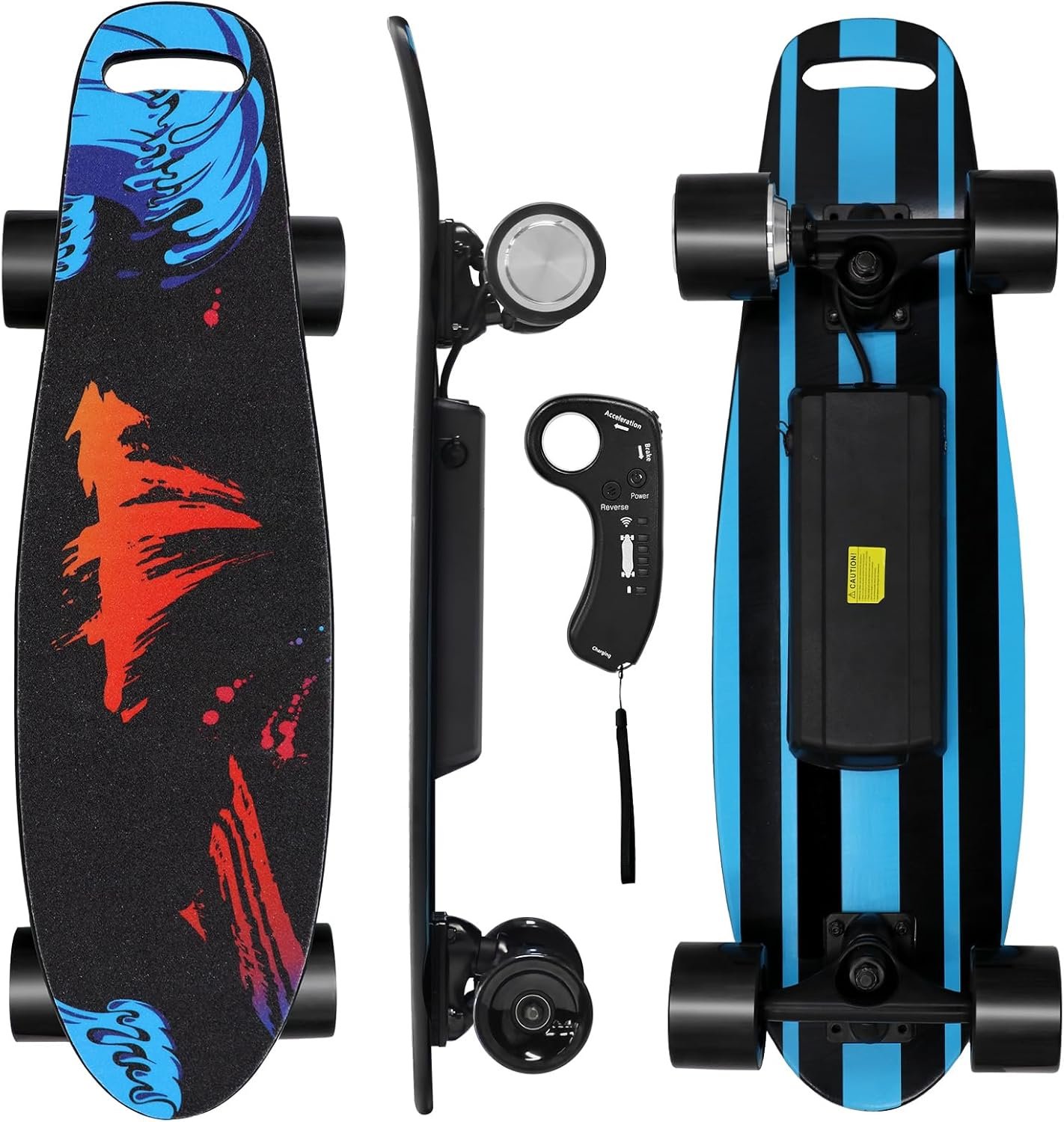
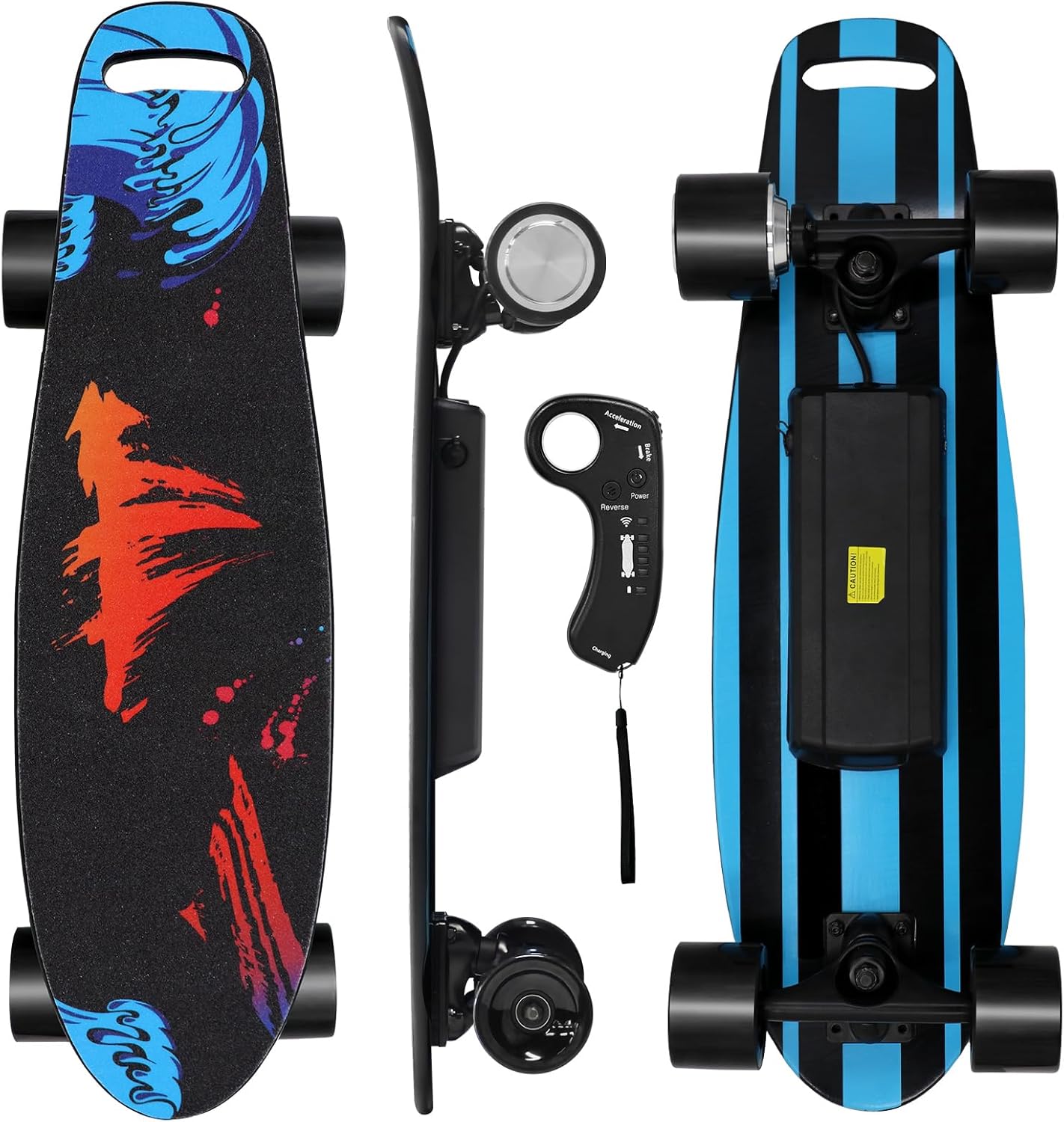
An electric skateboard is basically a traditional skateboard—but with a motor, battery, and remote control. Instead of pushing with your foot, you simply use a handheld remote to accelerate, brake, and control speed.
Electric Skateboard for Beginners – Ever been stuck in traffic, watching someone effortlessly glide past on what looks like a magic carpet with wheels? You might have felt a mix of jealousy and curiosity. That, my friend, is the allure of the electric skateboard for beginners — a world where your commute transforms from a chore into an adventure.
But if you’re standing at the edge of this world, remote in hand for the first time, it can feel more like staring into the abyss than stepping onto a fun new hobby. Is it hard? Will I fall? And how on earth do I choose from the hundreds of options out there?
Take a deep breath. You’re in the right place. This isn’t another dry, tech-heavy manual. Think of this as a chat with a friend who’s already been down this road, who knows the potholes to avoid and the smooth stretches to enjoy. By the time you finish reading, you’ll know exactly what makes a great beginner electric skateboard, how to stay safe, and which board is your perfect match.


What Exactly is an Electric Skateboard for Beginners?
Before we dive into the nitty-gritty, let’s clear up what we’re talking about. When we say “electric skateboard for beginners,” we’re not talking about a toy that caps out at 5 mph and dies after a trip to the mailbox. We’re talking about a real, high-quality personal electric vehicle designed with one goal in mind: to be your trusted partner as you learn the ropes.


The modern standard for the best electric skateboard for beginners in 2026 has shifted. It’s no longer about chasing the highest top speed. Instead, it’s about finding a board that offers predictable control, smooth acceleration, and reliable braking. It’s a board that feels stable under your feet, inspires confidence, and, most importantly, is forgiving of the small mistakes every new rider makes. It’s the difference between learning to drive in a twitchy sports car versus a smooth, reliable sedan.
Why Beginners Are Switching to Electric Skateboards
So why are beginners flocking to e-boards in 2026?
- Convenience Meets Fun – You don’t need to push constantly. Just stand, balance, and go.
- Perfect for Short Commutes – Electric skateboards are ideal for city travel—faster than walking, more fun than driving.
- Eco-Friendly Transportation – No fuel. No emissions. Just clean electric energy.
- Beginner-Friendly Tech – Modern boards now come with beginner modes, smoother acceleration, and better braking systems.
How Electric Skateboards Work
At the core, every electric skateboard has:
- Motor (hub or belt-driven)
- Battery pack
- Electronic speed controller (ESC)
- Remote control
When you push the throttle on your remote, the ESC sends signals to the motor, which spins the wheels. Simple, right?


Control Over Speed: The Beginner’s Golden Rule
Let’s get one thing straight right from the get-go: your biggest challenge as a new rider won’t be going fast; it’ll be stopping, turning, and simply staying balanced when the road gets a little bumpy. Many budget boards use generic electronic speed controllers (ESCs) that deliver power in a jerky, unpredictable way. One moment you’re barely moving, the next you’re launched forward like you’ve been stung by a bee. For a beginner, that’s a recipe for a scraped knee and a bruised ego.
This is why the “brain” of your board, the ESC, is so important. You should look for boards equipped with a smoother ESC system, like the well-regarded Hobbywing ESC. These systems provide linear acceleration and braking. Instead of sudden jolts, the board responds smoothly to your input, making the entire experience far easier to control and much less intimidating. Trust me, smooth is your new best friend.

Hub Motors vs. Belt Motors: The Silent Power vs. The Torque Monster
Under the hood of your beginner electric skateboard, you’ll find one of two main types of motors: hub motors or belt motors. This is arguably the most important technical decision you’ll make. Let’s break it down in plain English.
1. Hub Motors (The “Hidden” Power)
Imagine the motor is tucked away inside the wheel itself. That’s a hub motor. You can’t even see it.
- The Pros: They are whisper-quiet, making you feel like a stealthy ninja gliding through the city. They require almost zero maintenance—no belts to snap or adjust. They’re also more resistant to splashes and weather. For most beginners, a dual hub motor setup is the way to go because it’s quiet, easy to maintain, and reliable.
- The Cons: Because the motor is part of the wheel, there’s less rubber to absorb bumps, so you might feel rough roads a bit more. They also generally have less torque for climbing steep hills.
2. Belt Motors (The “Muscle” Car)
Picture a classic car engine with a fan belt. A belt motor sits outside the wheel and uses a rubber belt to spin it.
- The Pros: These motors are torque monsters. They provide fantastic acceleration and hill-climbing ability. They also give you the freedom to swap out wheels for different sizes and styles, including all-terrain options.
- The Cons: They are noticeably louder (a whirring sound) and require regular maintenance. You’ll need to check belt tension and eventually replace worn belts.
For the vast majority of first-timers, a dual hub motor setup offers the perfect blend of simplicity, reliability, and quiet performance.
Deck Decisions: Longboard Stability vs. Shortboard Agility
Choosing your deck is like choosing between a comfy cruiser bike and a nimble mountain bike. Your riding style will dictate which one is right for you.
1. Why an Electric Longboard is a Beginner’s Best Friend
Electric longboards, with their extended decks (typically 36–48 inches), are the undisputed champions of stability and comfort. For a new rider, this is a game-changer.
- Stability is King: The longer wheelbase and wider stance make it much easier to find your balance and feel confident, especially at higher speeds.
- Smooth Operator: Their larger, softer wheels and flexible decks act like a suspension system, soaking up cracks, bumps, and rough pavement with ease. This means less vibration in your feet and a more forgiving ride overall.
Electric longboards are recommended for beginners. The added stability and smoother ride help new riders build confidence much faster than a shortboard would. If your priority is a comfortable, stable, and confidence-inspiring commute, a beginner electric longboard is your huckleberry.
2. The Case for the Electric Shortboard
Electric shortboards are the compact, lightweight cousins of the longboard family. They’re all about portability and nimble handling.
- The Urban Ninja: They are much easier to carry onto a bus, stash under your desk, or navigate through crowded sidewalks.
- Kicktail Fun: Many have a kicktail, which lets you make sharp turns and even pop off curbs.
However, their shorter wheelbase makes them inherently less stable, especially at speed or during hard braking. They also offer a rougher ride on anything but the smoothest pavement. If you need the ultimate in portability for a short “last-mile” commute, a shortboard might be your jam. For everyone else starting out, a longboard is the smarter, safer choice.
The Tech That Matters: Battery, Range, and Real-World Power
You’ve probably seen range numbers like “20 miles” advertised. Here’s the truth: take those numbers with a grain of salt. Real-world range is almost always less than what’s on the box.
1. Decoding Battery Range (The “20-30% Rule”)
Published range figures are tested under perfect, almost mythical conditions: a 150-pound rider, on flat, smooth asphalt, at a constant 12 mph with no wind. In the real world, you’re dealing with hills, wind, your own weight, and the temptation to go faster. A good rule of thumb is to expect a 20-30% drop from the advertised maximum range. For most beginners, a board with a real-world range of 10-15 miles is more than enough for daily fun and errands.
2. Power and Torque: It’s Not Just About Top Speed
Torque is the real hero for beginners. It’s the grunt that gets you moving from a stop and, more importantly, up hills without stalling. For a smooth ride, look for a board with a combined motor power of at least 1000W to 1200W. This ensures you won’t be left pushing your board up any slight incline. And always, always choose a board with multiple speed modes. Start in “ECO” or “Beginner” mode to limit acceleration and top speed, and only unlock more power as your skills improve.

Safety First: The Gear That Saves Your Skin (Literally)
Look, I know what you’re thinking: “I’ll just take it easy. I won’t fall.” I thought that too, right up until I hit a patch of wet leaves I didn’t see. Asphalt doesn’t care how cool you look. Riding without safety gear is like skydiving without a parachute—it’s fine until it’s absolutely not.
At an absolute minimum, you need a certified helmet (MIPS technology is a huge plus) and wrist guards, which can prevent up to 90% of fall injuries. If you want to be extra smart, add knee and elbow pads to the mix. They’re your insurance policy against road rash.
Top Beginner Electric Skateboards Compared
Alright, let’s get to the good stuff. Here’s a look at some of the best electric skateboards for beginners on the market right now, based on real-world testing and rider feedback.
| Model | Price (Approx.) | Drive Type | Top Speed | Real-World Range | Best For |
|---|---|---|---|---|---|
| Meepo V5 | $500 | Hub Motor | 28 mph | ~11 miles | Budget-conscious riders seeking an excellent entry-level board with responsive brakes and good mode separation. |
| LINNPOWER MINI 5 | From $439 | Belt Drive | 28 mph | 20+ miles | First-timers who value a long range and the smooth control of a belt drive in a compact, portable package. |
| Veymax Roadster X4 | Mid-Range | Hub Motor | 29 mph | 13-25 miles | New riders wanting a balanced all-rounder with a smooth ESC, wide, comfortable deck, and proven reliability. |
| Evolve GTR Bamboo | Premium | Belt Drive | 24 mph | ~18-20 miles | Riders who want a premium, super-stable, and comfortable flex deck with all-terrain capabilities right out of the box. |
| Maxfind MAX5S | Value | Hub Motor | 24 mph | ~15 miles | Absolute beginners looking for a no-fuss, smooth, and comfortable ride perfect for learning and daily commutes. |
Note: Prices and specs are approximate and can vary based on configuration and retailer.
Your First Ride: How to Avoid the Most Common Rookie Mistakes
Alright, you’ve got your board, you’re geared up, and you’re ready to roll. Before you hit the throttle, let’s talk about the potholes in the road to becoming a pro rider. Here are a few classic electric skateboard beginner mistakes and how to sidestep them.
1. Mistake #1: Treating It Like a Regular Skateboard
This is the fastest way to meet the pavement. An electric board is heavier, accelerates differently, and brakes with more force. Your regular skate muscle memory can actually work against you. How to avoid it: Find a big, empty parking lot and practice. Focus on smooth throttle control—think of your trigger finger as an extension of your balance. Roll on gently, brake gently.
2. Mistake #2: Going Full Speed on Day One
That “Pro” mode is tempting, but your body needs time to calibrate. Sudden torque can be a real shock to the system. How to avoid it: Spend your first week (or more) exclusively in “Beginner” mode. Master slow acceleration, controlled braking, and carving before you even think about unlocking higher speeds. When you finally level up, it’ll feel earned, not terrifying.
3. Mistake #3: Forgetting About Maintenance
Your board is a machine, not magic. A quick check before each ride can save you a world of hurt. How to avoid it: Do a 30-second pre-ride inspection. Check that your trucks feel tight, your wheels are secure, and your remote and board batteries are charged. A little attention goes a long way.
Navigating the Legal Maze: Where Can You Actually Ride?
Before you take your new electric skateboard for beginners out on the town, there’s one last thing you need to know: the law. And this is where things get a bit messy. There’s no single, universal rule for electric skateboards.
1. The United States Patchwork
In the U.S., laws vary wildly by state and even by city. Some areas are friendly, while others are creating new regulations. For example, a recent bill in New York proposed defining “electric skateboard” and requiring registration for all electric personal mobility devices. Meanwhile, some townships are proposing ordinances that would prohibit electric skateboards on public property altogether. The golden rule? Always check your local city and state regulations.
2. Europe’s Strict Stance
Europe is a patchwork of different rules. France allows them on roads and bike lanes with a 25 km/h speed limit, while Germany has one of the strictest systems, effectively banning them from public roads and allowing use only on private property. In Sweden, boards are legal but must not exceed a 20 km/h speed limit or 250W motor output. This is a reminder that a board legal in one country might be illegal in the next.
Conclusion: Your Journey Starts Now
Stepping onto an electric skateboard for beginners is like unlocking a new superpower. It’s the feeling of the wind in your face, the freedom to bypass traffic, and the pure, simple joy of carving down an open road. The key is to start smart. Prioritize a board that values smooth control over scary speed, gear up with proper protection, and respect the learning curve.
The best board for you is the one that fits your lifestyle and makes you feel confident. Whether it’s a stable longboard for cruising or a nimble shortboard for zipping around town, there’s a perfect match out there. So, what are you waiting for? Your adventure is just a push of the throttle away.
| Hoverboard Collections Near You | |
|---|---|
 |
 |
| Buy From Amazon | Buy From Walmart |
FAQs About Electric Skateboard for Beginners
Is an electric skateboard good for beginners?
Yes, many models are specifically designed with beginner modes and safety features.
How fast should beginners ride?
Start under 15 km/h until you feel fully comfortable.
Do I need a license to ride an electric skateboard?
Usually no, but laws vary by location.
How long does it take to learn?
Most beginners get comfortable within 2–5 days of practice.
What is the safest electric skateboard for beginners?
Boards with stable decks, hub motors, and beginner modes—like WowGo or Backfire—are ideal.
Is it hard to learn to ride an electric skateboard?
Not at all! With a good electric skateboard for beginners, most people can achieve basic balance and steering within 30-60 minutes of practice. The key is to start in "beginner mode," which limits speed and acceleration, making the board much more forgiving as you get your sea legs.
What is the best electric skateboard for a complete beginner on a budget?
If you're looking for a fantastic entry-level option without breaking the bank, the Meepo V5 is widely considered a top contender. Priced around $500, it offers a stable ride, responsive brakes, and clear mode separation, which is perfect for learning safely and confidently.
What safety gear do I absolutely need for my first electric skateboard?
At an absolute minimum, you need a certified helmet and a pair of wrist guards (these prevent a huge percentage of fall injuries). It is also highly recommended to wear knee and elbow pads, especially during your first few months of learning. Don't be a hero—gear up!
You Might Also Like
- Hoverboard Best Sellers in 2026: Top Trends
- Electric Mini Bike for Sale in 2026
- Best Electric Skateboard With Carbon Fiber Deck 2026
- The 2026 Hoverboard Speed Guide
- Hover-1 Titan Review: How Fast Is It Really?
- Hoverboard Best Sellers on Amazon 2025


 H1 is powered by two 200W motors that enable it to climb 15 degree inclines and reach a 9 mph top speed. The 6.5″ solid wheels provide a smooth and enjoyable ride.