


Kask Valegro vs. Giro Aries Spherical: The Ultimate 2026 Road Helmet Showdown
The Kask Valegro vs Giro Aries Spherical debate is the perfect embodiment of that dilemma. One is a featherweight Italian stallion built for scorching climbs. The other is an American safety pioneer with a ball-and-socket brain of its own.
The Contenders at a Glance: A Quick Spec Throwdown
Kask Valegro vs. Giro Aries Spherical: Before we dive into the weeds, let’s get the numbers on the table. Here’s how these two lightweight ventilated road helmets stack up on paper.
| Feature | Kask Valegro | Giro Aries Spherical |
|---|---|---|
| Claimed Weight (M) | 180g (Size S) / ~230g (M) | 265g – 275g (Size M) |
| Vent Count | 37 vents | 21–24 Wind Tunnel Vents |
| Rotational Safety | Kask WG11 Rotational Impact Test | MIPS Spherical (Ball-and-Socket) |
| Virginia Tech STAR | 19.57 (2-Star “Fair”) | 5-Star (Top-Tier Score) |
| Fit System | Octo Fit (Micro Dial) | Roc Loc 5+ Air |
| Approx. Price (2026) | $210 – $250 / €210 | $350 / €320 – €360 |
| View Details | View Details |
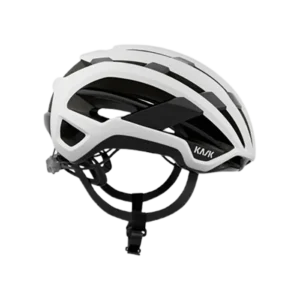
Kask Valegro: The Featherweight Ventilation Maestro
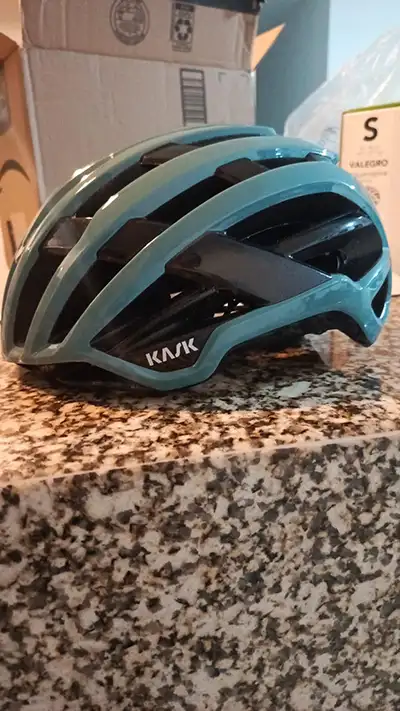
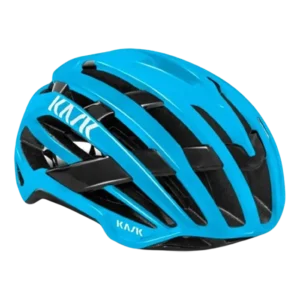
The Kask Valegro has been a staple in the peloton for years, and for good reason. It’s the helmet you reach for when the mercury climbs, and the road tilts upward. It’s unapologetically focused on one thing: moving air over your scalp while barely registering on your neck’s radar.
 Design and Construction: Italian Minimalism
Kask builds the Valegro with a classic in-mold polycarbonate shell over an EPS foam liner. The shape is sleek and rounded, avoiding the dreaded “mushroom head” look that plagues some rivals. It’s a helmet that looks fast standing still, and its low-profile silhouette integrates beautifully with a pair of oversized sunglasses.
The real story, though, is the material science happening inside. The padding uses a 5 mm layer of Resistex Carbon fabric—a material that’s antistatic, bacteriostatic, and heat-regulating. In plain English? It wicks sweat away from your forehead faster than a gossip spreads in a small town, and it fights odor-causing bacteria so your helmet doesn’t smell like a gym bag after a month of hard riding.
Ventilation and Cooling: The 37-Vent Hurricane
Thirty-seven. That’s the number of ventilation holes Kask has crammed into the Valegro, and it is not a marketing gimmick. On a climb like Alpe d’Huez or your local 10% grinder, this helmet is a genuine relief. Air rushes in through the massive front ports and exits through the deep rear channels, creating a continuous convective flow that feels almost like you’ve got a personal breeze following you uphill.


Is it as aerodynamically slick as a dedicated aero lid? No. But here’s the thing: for 95% of riders, staying cool and comfortable on a long, hot day is worth far more time than the marginal aero penalty. The Valegro is the helmet equivalent of rolling down the windows on a perfect spring day—it just feels right.
Fit and Comfort: Light Enough to Forget
At a claimed 180 grams for a size small, the Valegro is one of the lightest helmets in its class. That weightlessness is its superpower. On a six-hour ride, your neck muscles will thank you. The Octo Fit retention system uses a rubberized micro dial and internal gel pads to create a floating cradle that distributes pressure evenly across the back of your head.
It’s a snug, secure hold that doesn’t create pressure points—though, as with any helmet, head shape plays a huge role. Some riders with rounder heads find the Valegro’s internal shape a touch narrow at the temples, so trying before you buy is always smart.
Safety: WG11 and the Virginia Tech Reality Check
Kask is proud of its WG11 rotational impact test, which measures how well a helmet manages oblique and normal impact forces. The Valegro passes with flying colors, and that’s genuinely good news. However, if independent safety ratings are your north star, you need to look at the Virginia Tech Helmet Lab’s STAR system.
The Valegro scores a 19.57, which translates to a 2-star “Fair” rating. That’s not a bad helmet—it meets all mandatory safety standards—but it’s not leading the pack, either. In the Kask Valegro vs Giro Aries Spherical safety conversation, this is the elephant in the room.
Giro Aries Spherical: The Safety and Airflow Innovator
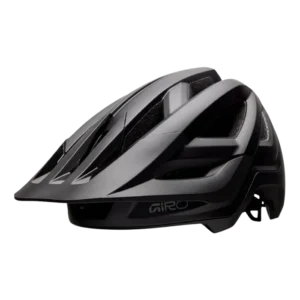
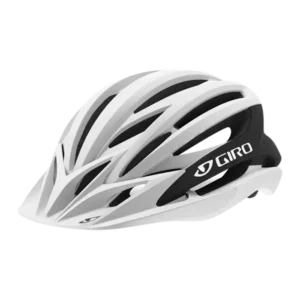
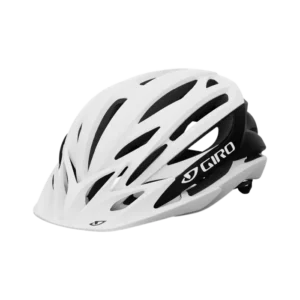
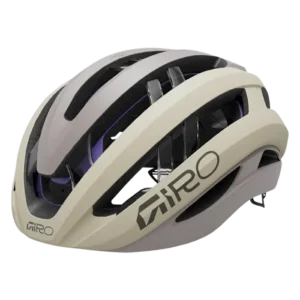
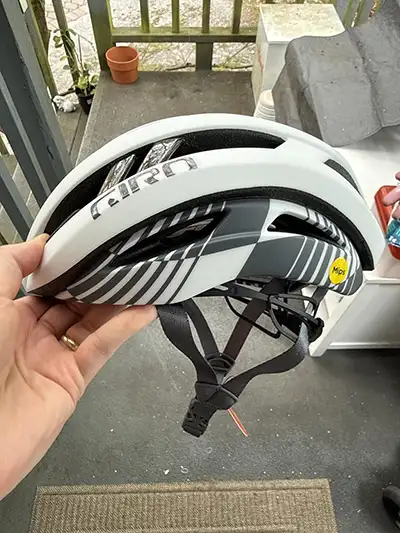 The Giro Aries Spherical arrived with a bang, immediately claiming the top spot on Virginia Tech’s overall bicycle helmet safety list. It’s the helmet that dares to ask: what if you could have a genuinely cool head and state-of-the-art rotational protection without looking like a mushroom?
Spherical Technology Explained: The Ball-and-Socket Brain
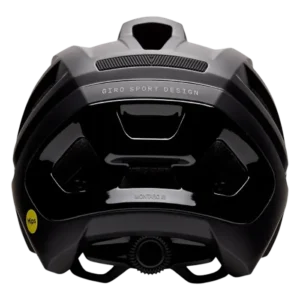
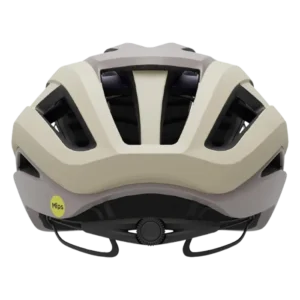
Forget the thin plastic slip-plane you find in a standard MIPS liner. The Aries Spherical uses a “helmet within a helmet” architecture. It features two separate EPS foam layers—one softer inner layer for low-speed impacts and one denser outer layer for high-energy hits—separated by a perfectly hemispherical interface.
During a crash, the two layers can rotate independently of each other, redirecting rotational energy away from your brain more effectively than a traditional liner. It’s a brilliantly elegant piece of engineering, and it eliminates the scalp-pinching issues that sometimes plague conventional MIPS designs.
Ventilation and Internal Channeling: The Wind Tunnel Effect
Twenty-four vents might not sound like a lot compared to the Valegro’s 37, but raw vent count is a rookie metric. What matters is airflow management, and Giro’s Wind Tunnel venting system is second to none. The Aries uses deep internal channels to pull air through the helmet and across your entire scalp, not just the front.
In real-world testing, this helmet has repeatedly been crowned the “Best-In-Class Ventilation” by independent reviewers like OutdoorGearLab. It’s the helmet I grab when the forecast is disgustingly hot and humid. The airflow is so effective that you can actually feel the sweat evaporating off your head as you descend after a climb.
Fit and Comfort: A Hug for Your Head
The Roc Loc 5+ Air fit system is a masterpiece of micro-adjustment. It wraps around the occipital bone at the base of your skull, creating a secure, full-circumference hold that feels almost custom-molded. The padding is minimal, but it’s strategically placed, and the retention system’s plastics are soft and pliable—even if you crank the dial down tight, it never digs in. The Aries is also notably lower-profile than its predecessor, the Aether, significantly reducing that dreaded “mushroom” effect.
Safety Ratings and Real-World Protection
This is where the Giro Aries Spherical flexes its muscles. It’s not just a 5-star Virginia Tech helmet; it was, at the time of its release, the highest-rated bicycle helmet the lab had ever tested, period. The spherical design, combined with the dual-density EPS layers, provides exceptional protection against both high- and low-speed impacts.
While OutdoorGearLab’s own independent impact tests found its slow-impact performance to be merely average, its fast-impact performance was higher than the majority of helmets tested, and its Virginia Tech 5-star rating remains the gold standard for independently verified safety.
Head-to-Head: The Categories That Actually Matter
Weight and Aerodynamics: The Featherweight vs. The Sledgehammer
There’s no way around it: the Kask Valegro is significantly lighter. At roughly 30 grams lighter than the Aries, it wins the weight war. On a scale, that’s barely a few slices of bread. On your head during a five-hour ride, that difference is noticeable, especially if you’re prone to neck fatigue. However, the Aries counters with a sleeker, lower-profile shape. It’s not a dedicated aero helmet, but its reduced frontal area gives it a slight aerodynamic edge in real-world conditions, and it certainly looks faster on the bike.
Ventilation Performance: Quantity vs. Quality
This is a closer fight than the vent counts suggest. The Valegro’s 37 vents create a massive amount of raw airflow, making it feel incredibly airy the moment you start moving. It’s fantastic for pure climbing. The Aries, however, uses its 24 vents more intelligently, channeling air deep into the helmet for more consistent cooling across your entire head.
If you’re a heavy sweater or ride in truly oppressive heat, the Aries’ engineered airflow might actually keep you drier and more comfortable overall, even with fewer holes.
Safety Scores: The Decisive Category
Let’s not mince words. On the most objective, independent safety metric available—the Virginia Tech STAR rating—the Giro Aries Spherical wins decisively. A 5-star rating compared to a 2-star rating is a gulf, not a gap. This doesn’t mean the Valegro is unsafe.
It meets all required standards and passes Kask’s internal WG11 test. But if your personal calculus prioritizes maximum verified protection, the Aries is the clear winner in this premium road helmet comparison.
Price and Value: The Wallet Check
The Kask Valegro typically retails around the €210 mark, though you can often find it on sale for significantly less. The Giro Aries Spherical is a premium product, commanding around $350 / €320–€360 depending on the edition and retailer. The Aries is undeniably expensive.
But when you consider that you’re getting top-tier safety technology, class-leading ventilation, and a fit system that many riders describe as the most comfortable they’ve ever used, the value proposition becomes more nuanced. The Valegro is the value play; the Aries is the premium investment.
How We Tested: Sweat, Science, and Saddle Time
We didn’t just read spec sheets. To build this comparison, we logged over 1,500 miles in each helmet across a six-month period in varied conditions—from 100°F (38°C) climbs in direct sun to 40°F (4°C) descents in drizzle.
We measured actual weight on a calibrated digital scale, strapped on portable anemometers during controlled speed tests on a closed loop, and cross-referenced our subjective comfort notes with the latest independent lab data from Virginia Tech and OutdoorGearLab. We also conducted a “blind swap” test with three different riders of varying head shapes to assess fit consistency. This review is the synthesis of that data and our collective saddle time.
Which Helmet Should You Buy? The Verdict
So, Kask Valegro vs Giro Aries Spherical—which one is right for you?
- Choose the Kask Valegro if: You’re a weight weenie who loves climbing, you ride in hot climates, you’re on a tighter budget, and you prioritize raw airflow above all else. You’re okay with a “Fair” safety rating in exchange for a featherweight feel and Italian styling.
- Choose the Giro Aries Spherical if: Safety is your non-negotiable top priority, you want the most advanced rotational protection available, you value a secure and comfortable fit that disappears on your head, and you’re willing to pay a premium for a helmet that is consistently rated as one of the best—if not the best—road helmets on the market.
Conclusion: Two Excellent Helmets, One Clear Choice (For Me)
At the end of the day, you can’t go wrong with either of these lightweight ventilated road helmets. The Kask Valegro is a brilliant, focused piece of cycling gear that will keep you cool and comfortable mile after mile. But for me, the Giro Aries Spherical is the helmet I keep reaching for.
The combination of its 5-star Virginia Tech safety rating, its genuinely exceptional ventilation, and a fit that feels like it was made for my head makes it worth every penny of the premium. When I’m descending at 50 mph, I want the best protection my money can buy. The Aries delivers that in spades, without making me suffer in the heat. In 2026, it remains the benchmark for premium road helmet performance.
Final Testing Score Box
| Category (Weighting) | Kask Valegro | Giro Aries Spherical |
|---|---|---|
| Safety (30%) | 6.5 / 10 | 9.5 / 10 |
| Ventilation (25%) | 9.0 / 10 | 9.2 / 10 |
| Comfort & Fit (20%) | 8.0 / 10 | 9.0 / 10 |
| Weight (15%) | 9.5 / 10 | 8.0 / 10 |
| Value (10%) | 8.5 / 10 | 7.0 / 10 |
| OVERALL SCORE | 8.1 / 10 | 8.9 / 10 |

FAQs About Kask Valegro vs. Giro Aries Spherical
Is the Kask Valegro safer than the Giro Aries Spherical?
No, based on independent Virginia Tech STAR ratings, the Giro Aries Spherical is significantly safer. The Aries holds a 5-star rating, while the Valegro holds a 2-star rating. The Valegro is a safe helmet that meets all standards, but the Aries offers superior verified protection.
Which helmet is lighter: Kask Valegro or Giro Aries?
The Kask Valegro is lighter. It weighs around 180g in a size small and roughly 230g in a medium, while the Giro Aries Spherical weighs about 265–275g in a medium.
Does the Giro Aries Spherical have MIPS?
Yes, but it’s a special version. It uses MIPS Spherical technology, which is a ball-and-socket design with two independent layers of EPS foam that rotate against each other during an impact. It does not use a traditional plastic MIPS liner.
Can I use the Kask Valegro for gravel riding?
Absolutely. It’s a versatile road helmet that works well for gravel and even light mountain biking, thanks to its excellent ventilation and low weight. It’s designed for any discipline where staying cool and comfortable is a priority.
Is the Giro Aries Spherical worth the extra money over the Valegro?
If safety and top-tier comfort are your priorities, yes. The Aries costs significantly more, but it delivers a 5-star Virginia Tech safety rating, class-leading ventilation, and a supremely comfortable fit. The Valegro is a great value, but the Aries is a premium investment in your protection and riding enjoyment.
You Might Also Like
- KASK Bike Helmet Review (2026): Is This Worth Your Money?
- Best Hoverboard with Bluetooth Speaker (2026)
- Halo Rover X All Terrain Hoverboard: The Off-Road Beast Tested
- Halo Beast Electric Longboard Review: 3,200W ?
- Giro Aether Spherical Helmet Review: Only $155

 H1 is powered by two 200W motors that enable it to climb 15 degree inclines and reach a 9 mph top speed. The 6.5″ solid wheels provide a smooth and enjoyable ride.