

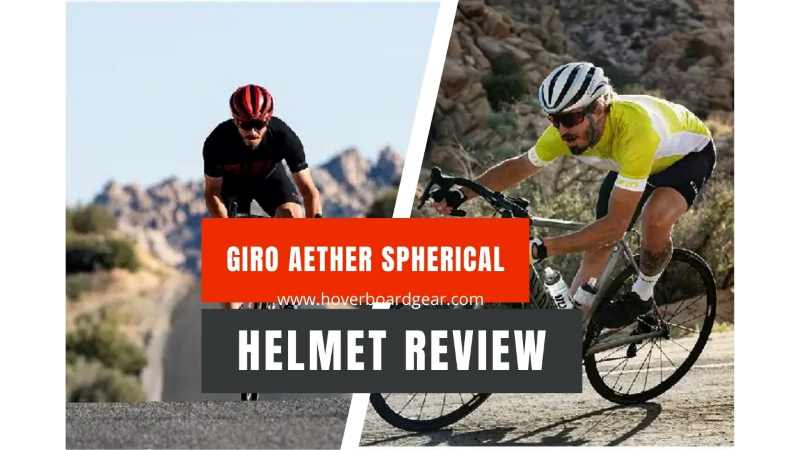
Giro Aether Spherical Helmet Review: Is It Still Worth Buying in 2026?
Is the Giro Aether Spherical Helmet a genuinely superior piece of safety engineering or just a beautifully marketed status symbol for the Strava crowd? I dug through years of independent lab data, long-term owner reviews, and real riding conditions to give you a straight answer.
Why This Giro Aether Spherical Helmet Review Matters Right Now
Giro Aether Spherical Helmet Review: Helmet technology moves fast, and MIPS has basically become the industry’s minimum bar for “serious” cycling protection. But not all MIPS systems are built the same, and that’s exactly where the Aether Spherical carved out its reputation. Giro didn’t just bolt on a slip-plane liner like everyone else — it reimagined the whole shell. That’s a big claim, so let’s see if it holds up.

What Makes the Giro Aether Spherical Different From Regular MIPS Helmets
Picture a traditional MIPS helmet like a phone in a slippery plastic case — functional, but a little clunky and prone to catching on things (your hair, in this analogy). Now picture the Aether Spherical: instead of a loose liner rattling around inside, it uses two independent EPS foam shells nested like a ball inside a socket.
The inner shell can rotate slightly against the outer shell during an angled impact, redirecting rotational force away from your brain — without ever touching your scalp with hard plastic.
This system, which Giro calls MIPS Spherical, was originally developed for ski helmets before Giro’s engineers adapted it for cycling. The benefit? You get the rotational protection MIPS is known for, minus the ventilation penalty and the annoying “yellow disc” liner that traditional systems require.


The Ball-and-Socket Design, Explained Simply
Think of your hip joint. It works because the ball rotates smoothly inside the socket, absorbing movement without your whole leg twisting. That’s essentially what’s happening inside the Aether Spherical shell during a crash — two EPS layers rotating relative to each other in the first milliseconds of impact, dissipating energy that would otherwise transfer straight to your brain.
Giro Aether Spherical Specs at a Glance
Before diving deeper into the ride experience, here’s the hard data every buyer actually searches for.
| Spec | Giro Aether Spherical |
|---|---|
| Weight (size medium) | ~265–280g (varies by CPSC/CE certification) |
| Vents | 11–21 depending on how you count internal channels |
| MIPS Technology | Spherical (dual independent EPS shells) |
| Fit System | Roc Loc 5+ Air |
| Certification | CPSC (US), CE EN1078 (EU) |
| Retail Price | Around $325 USD at launch, often discounted to $190–$250 |
| Sizes | Small, Medium, Large |
| Best For | Road racing, gravel, cyclocross, marathon MTB |
That price range is worth sitting with for a second. A helmet that started north of $300 has genuinely become more accessible now that Giro’s newer Aries Spherical has taken over the flagship spot — which, ironically, makes the Aether Spherical one of the smarter buys in Giro’s whole lineup today.
Ventilation: Does the Aether Spherical Really Breathe, As They Say?
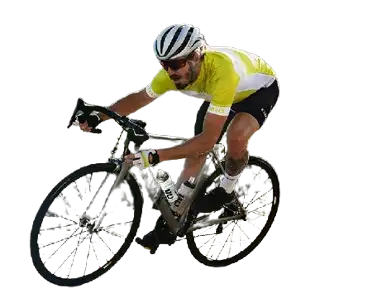
Here’s where the Aether Spherical earns its reputation. With up to 11 massive vents and deep internal channelling, air moves through this helmet almost unobstructed. Because there’s no traditional plastic liner blocking airflow, you’re essentially wearing a helmet shell with nothing standing between the vents and your scalp.
Riders who’ve logged serious mileage in hot climates consistently mention the same thing: it doesn’t just feel cool at speed; it stays comfortable when you’re grinding up a climb at 8 km/h with barely any wind moving through the vents. That’s the real test of ventilation, not just how it feels while descending at 50 km/h.
How the Aether Spherical Compares to the Aries Spherical on Cooling
Giro’s newer Aries Spherical technically edges out the Aether by roughly 2.3% in cooling performance and 5% in weight. But here’s the thing — 2.3% isn’t something your head is going to notice on a Tuesday morning ride. If cooling and weight are your only two priorities and budget isn’t a concern, the Aries wins by a hair. If you want 95% of that performance for significantly less money, the Aether Spherical remains the smarter pick.
Comfort and Fit: Living With the Aether Spherical Day to Day
A helmet only protects you if you actually wear it, and you’ll only wear it consistently if it’s comfortable. The Roc Loc 5+ Air Retention System on the Aether Spherical lets you dial in fit with real precision — not just tighter or looser, but adjustable vertically too, so it sits correctly on your head shape rather than just clamping down.
Owners who’ve put in two-plus years on this helmet report that even as the padding compresses and wears in, it stays cushioned where it counts, particularly across the forehead. That’s a detail cheaper helmets often get wrong, where padding flattens out after a few months and suddenly every bump in the road feels personal.
Does It Work Under a Cycling Cap or Winter Layer?
Yes, and this is an underrated selling point. The spherical design’s more generous internal geometry means it accommodates a casquette or thin winter cap without the helmet feeling like it’s clamping your skull. If you ride year-round, that flexibility matters more than most spec sheets let on.
Safety Performance: What Virginia Tech’s Testing Actually Shows
Let’s talk numbers, because “it feels safe” isn’t a data point. Virginia Tech’s independent STAR rating system — widely regarded as the gold standard for real-world helmet safety testing — has consistently awarded the Aether Spherical a five-star rating, its highest possible score. At various points, it has ranked among the top helmets tested for reducing concussion risk through both linear and rotational impact protection.
To put that in perspective: STAR scores measure the exposure-weighted risk of injury across a wide range of impact scenarios, not just a single lab drop test. A lower STAR value means better real-world performance, and the Aether Spherical has consistently landed in that top tier since its release.

How It Compares to Giro’s Own Aries Spherical for Safety
The Aries Spherical eventually claimed the #1 spot in Virginia Tech’s rankings, technically edging out the Aether. But “technically edging out” is doing a lot of work in that sentence — both helmets sit in the same elite five-star bracket. Choosing between them on safety alone is like debating whether a 98% or a 99% on a test makes you smarter. At a certain point, you’re splitting hairs that don’t matter in the real world.
Aesthetics and Design: Does It Actually Look as Good as It Rides?
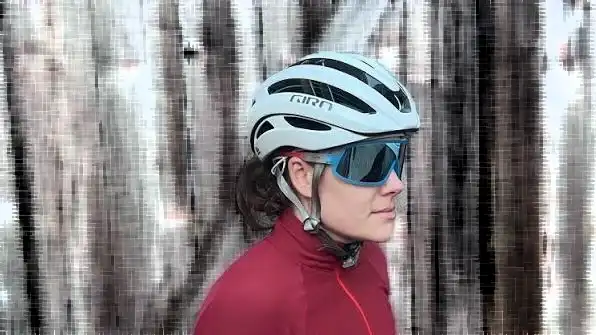
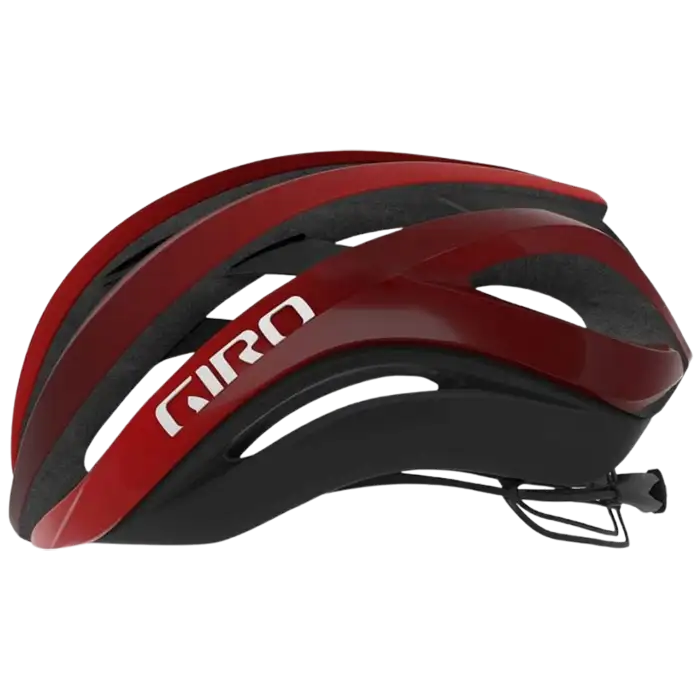
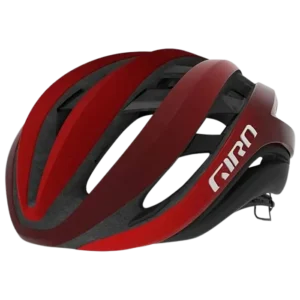
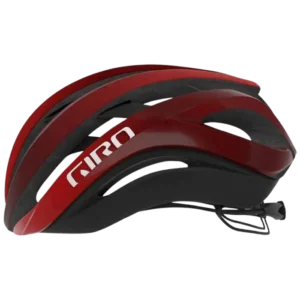
This is subjective, sure, but it’s also part of why people search for a Giro Aether Spherical helmet review before buying — nobody wants to spend $300 on something that looks clunky. The Aether Spherical’s silhouette is sleek, with a shatterproof transparent “Aura” arch running across the shell for structural reinforcement, paired with matte black buttresses.
It doesn’t scream for attention, but it photographs beautifully and reads as premium the moment someone sees it in person.
Weight: Is the Aether Spherical Too Heavy for Racing?
At roughly 265–280 grams in a medium, the Aether Spherical isn’t the lightest helmet on the market, and it’s not trying to be. It sits comfortably in the “performance” category rather than the “ultralight” category. If you’re chasing every gram for a hill climb record attempt, the Aries Spherical or a dedicated aero-lightweight helmet will suit you better.
For everyone else — meaning the vast majority of riders doing club rides, commutes, gran fondos, or casual racing — the weight difference is genuinely imperceptible once you’re twenty minutes into a ride.
Giro Aether Spherical vs. Competitors: A Side-by-Side Look
You didn’t come here just to read about one helmet in isolation, so here’s how it stacks up against its most common cross-shopped rivals.
| Helmet | Weight | MIPS System | Approx. Price | Best For |
|---|---|---|---|---|
| Giro Aether Spherical | ~265–280 g | Spherical (shell-in-shell) | $190–$325 | All-round performance value |
| Giro Aries Spherical | ~265–280 g | Spherical (updated) | $300–$350 | Max ventilation & lightest weight |
| Specialised Prevail III | ~250 g | Air Node MIPS | $275–$325 | Aero-focused road racing |
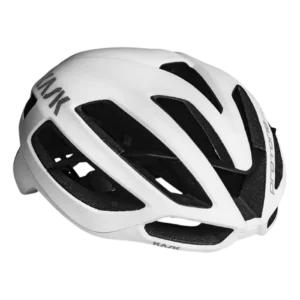
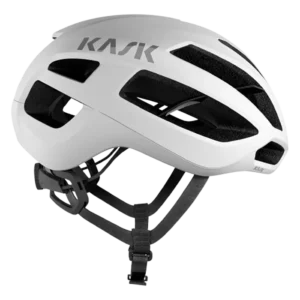
| Kask Protone Icon | ~235–250 g | WG11 fit system | $250–$300 | European road racing aesthetic |
Notice something? The Aether Spherical isn’t winning any single category outright anymore — newer helmets have chipped away at its lead in weight and aero numbers.
But it’s still remarkably competitive across every category at once and often at a meaningfully lower street price than its rivals. That “jack of all trades, master of none, but still really good at everything” positioning is exactly why it remains relevant years after launch.
Who Should Actually Buy the Giro Aether Spherical Helmet?
I’ll be straightforward with you: this isn’t the right helmet for everyone, and no amount of clever marketing copy should convince you otherwise.
Buy it if:
- You want top-tier ventilation and five-star safety ratings without paying flagship-flagship prices
- You ride in hot, humid conditions, and overheating under a helmet is a real problem for you
- You want a helmet that works across road, gravel, and cyclocross without needing three separate lids
Skip it if:
- You’re chasing the absolute lightest helmet possible for competitive hill climbing
- The budget is tight, and a $150 five-star-rated helmet would serve you just as well
- You prioritise a super-aggressive aero shape over ventilation
Common Complaints Worth Knowing Before You Buy
No Giro Aether Spherical helmet review would be complete—or honest—without covering the gripes. The most repeated complaint isn’t about performance at all; it’s that a helmet at this price point doesn’t ship with extra padding options, which feels like an odd cost-cutting decision for a “flagship” product.
A handful of long-term owners also note that after roughly two years of regular use, they start shopping for a replacement, which is fairly normal for any high-mileage helmet but worth budgeting for if you’re a daily rider.
Where to Find the Best Price on the Aether Spherical Today
Because the Aries Spherical has taken over as Giro’s top-tier offering, the Aether Spherical now frequently shows up in end-of-season sales, sometimes discounted well below its original retail price. If you’re comparison shopping, it’s worth checking multiple authorised dealers rather than settling for the first listing you find, since pricing on this particular model swings widely depending on colourway and remaining stock.
Best Seller
Final Verdict: My Honest Take on the Giro Aether Spherical
So, is it worth it? After stacking up the lab data, the owner feedback, and the raw spec sheet, my answer is yes — with a caveat. The Aether Spherical isn’t the newest kid on the block anymore, and Giro’s own Aries Spherical has quietly nudged it aside as the true flagship.
But that’s actually good news for you as a buyer. It means the Aether Spherical has settled into a sweet spot: proven five-star safety performance, class-leading ventilation, and a fit system that genuinely works, all at a price that’s dropped meaningfully since launch. If you want elite protection without paying elite-plus prices, this helmet still earns its spot on your shortlist.
Conclusion
At the end of the day, a helmet is one of the few pieces of cycling gear where “good enough” genuinely isn’t good enough — it’s the one thing standing between a bad crash and a really bad day. The Giro Aether Spherical earns its reputation honestly: five-star independent safety ratings, standout ventilation, and a comfortable, adjustable fit that holds up over years of use, not just weeks.
It’s no longer Giro’s newest or lightest helmet, but that’s precisely what makes it such compelling value today. If you want flagship-level protection and comfort without paying flagship-level prices, the Aether Spherical deserves a serious look.
| Bike Helmet Collections Near You | |
|---|---|
 |
 |
| Get Amazon Special Offers | Get Walmart Special Offers |
FAQs About Giro Aether Spherical Helmet
Is the Giro Aether Spherical still worth buying now that the Aries Spherical exists?
Yes. The Aries is lighter and slightly cooler, but the Aether Spherical still holds a five-star Virginia Tech safety rating and typically costs significantly less, making it the better value pick for most riders.
How much does the Giro Aether Spherical weigh?
It generally falls between 265 and 280 grams in a size medium, depending on whether it's CPSC or CE certified. That's competitive for a helmet in this performance category, though not the lightest on the market.
Does the Giro Aether Spherical run true to size?
Most riders find it fits true to standard head measurements, and the Roc Loc 5+ Air system allows for fine-tuning if you're between sizes. It's still worth trying one on or checking a detailed size chart before buying, since fit can vary slightly by head shape.
What's the difference between MIPS Spherical and regular MIPS?
Regular MIPS uses a plastic liner that sits directly against your head to create a slip-plane. MIPS Spherical, used in the Aether, embeds that slip-plane function between two independent EPS foam shells instead, which improves comfort and ventilation without sacrificing rotational protection.
Is the Giro Aether Spherical good for gravel riding, or just road cycling?
It's genuinely versatile — riders use it across road racing, gravel, marathon mountain biking, and cyclocross. The ventilation and secure fit system make it a solid all-rounder rather than a road-only helmet.
You Might Also Like
 H1 is powered by two 200W motors that enable it to climb 15 degree inclines and reach a 9 mph top speed. The 6.5″ solid wheels provide a smooth and enjoyable ride.