

Giro Bicycle Helmet Review: Is It Really Worth Your Money in 2026?
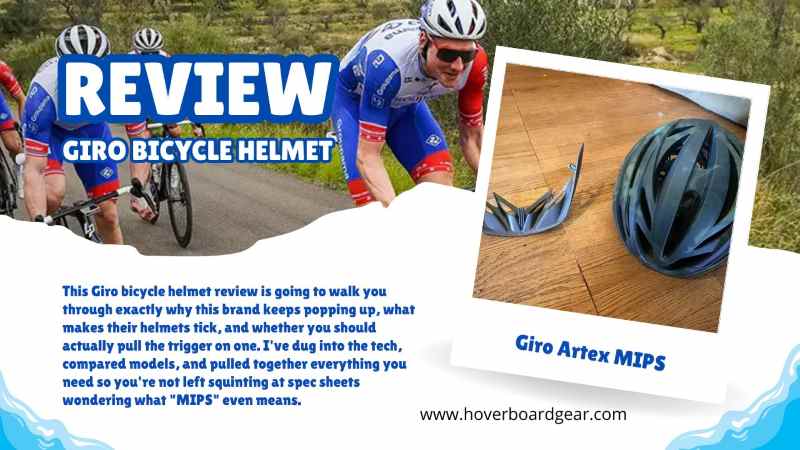
This Giro bicycle helmet review is going to walk you through exactly why this brand keeps popping up, what makes their helmets tick, and whether you should actually pull the trigger on one. I’ve dug into the tech, compared models, and pulled together everything you need so you’re not left squinting at spec sheets wondering what “MIPS” even means.
Why Everyone’s Talking About Giro Bicycle Helmets
Giro isn’t some fly-by-night helmet company that popped up last year. They’ve been in the cycling safety game since 1985, and honestly, they basically helped invent the modern lightweight helmet as we know it. When you see pros wearing sleek, vented helmets in the Tour de France, there’s a solid chance Giro had something to do with normalizing that look.
But here’s the thing — a brand’s reputation doesn’t mean much if the actual product doesn’t hold up. So let’s talk about what’s really inside a Giro helmet, because that’s where the real story is.
A Quick Snapshot of the Brand’s Safety Philosophy
Giro isn’t just slapping foam on a plastic shell and calling it a day. Their whole approach revolves around three pillars: protection, ventilation, and comfort. Think of it like a three-legged stool — pull one leg out and the whole thing wobbles. A helmet that’s ultra-protective but cooks your head in summer isn’t going to get worn consistently, and a helmet nobody wears isn’t protecting anybody.
Breaking Down the Giro Bicycle Helmet Lineup
One thing that trips people up when reading any Giro bicycle helmet review is the sheer number of models. Giro makes helmets for road cyclists, mountain bikers, commuters, kids, and even skiers. Let’s simplify this.



1. Road Cycling Helmets
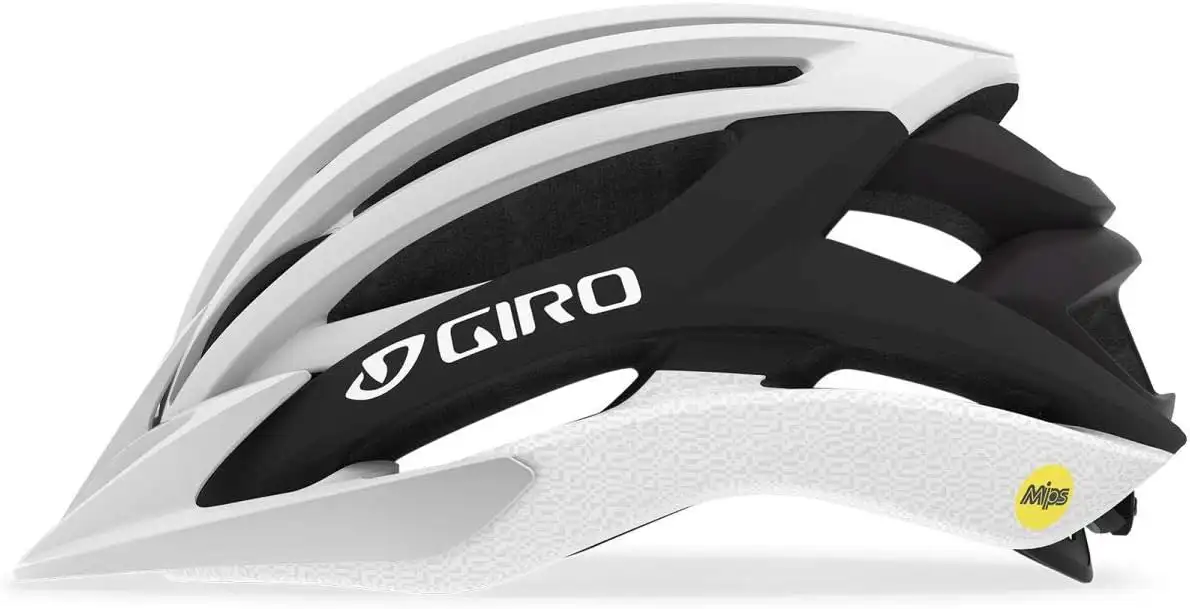
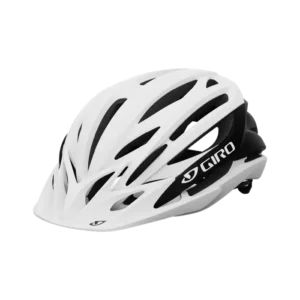
If you’re chasing speed on tarmac, models like the Giro Aether and Giro Eclipse Spherical are built for aerodynamics and airflow. These helmets are lightweight, often under 300 grams, and are designed to slice through wind resistance while keeping your scalp from turning into a sauna.
2. Mountain Bike Helmets
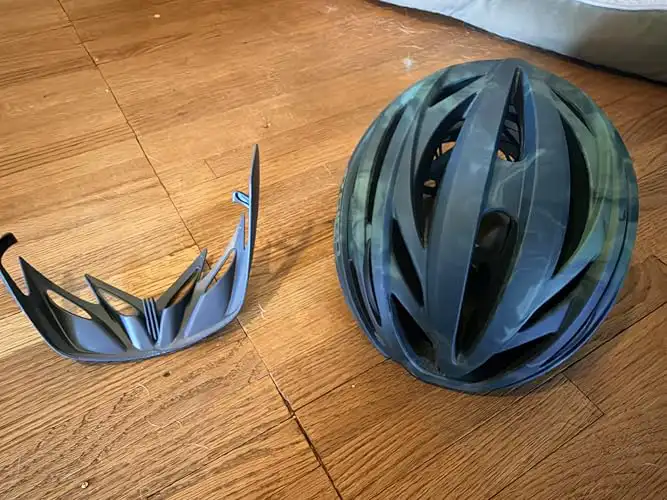
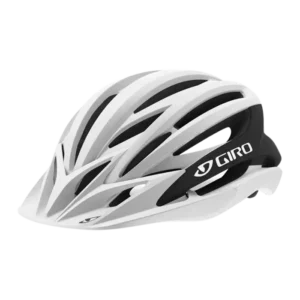
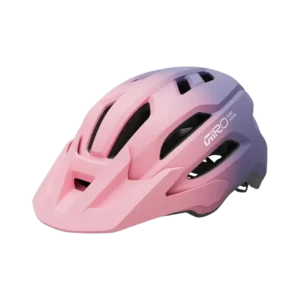
Off-road riding needs more coverage, especially around the back of the head and temples. The Giro Montaro and Giro Fixture extend further down the skull and often come with visors to block sun and low branches. If you’ve ever eaten dirt on a rocky descent, you’ll appreciate that extra coverage.
3. Commuter and Urban Helmets
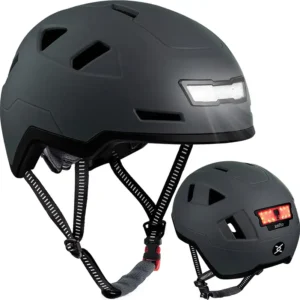
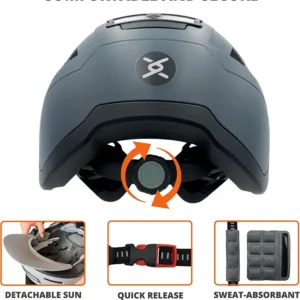
Not everyone’s racing — some of us are just trying to get to the office without getting flattened by a bus. Giro’s urban lineup, like the Giro Register, focuses on practicality: reflective elements, a more casual look, and often a built-in visor or compatibility with bike lights.
4. Kids’ Helmets
Giro also makes helmets sized specifically for smaller heads, with fun colorways that actually make children want to wear them (a genuinely underrated feature — a helmet a kid refuses to wear is useless).
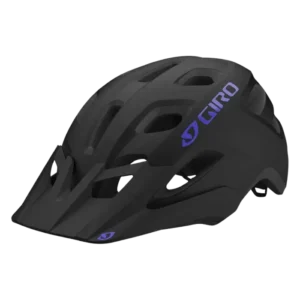
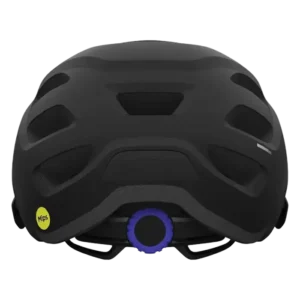
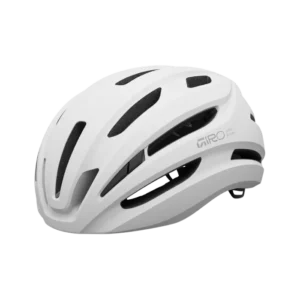
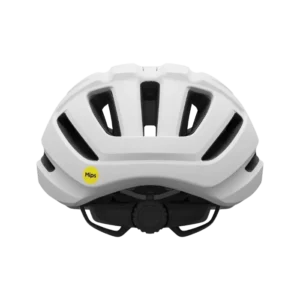
The Tech Inside: What Makes a Giro Helmet Different
Here’s where this Giro bicycle helmet review gets a little nerdy, but stick with me — it matters.
1. MIPS Technology Explained Simply
MIPS stands for Multi-directional Impact Protection System. Picture your brain as a bowl of jelly sitting inside a bowl of water — during a crash, it’s not just the direct hit that causes damage; it’s the rotational force as your head twists. MIPS adds a low-friction layer inside the helmet that lets the shell rotate slightly independent of your skull, absorbing that twisting energy instead of transferring it straight into your brain. Giro was actually one of the earliest adopters of MIPS, and most of their higher-end models include it standard.
2. The Spherical Technology Upgrade
Some newer Giro helmets, like the Aether, go a step further with what they call “Spherical” technology — essentially two separate shells (an inner and outer layer) working together like a ball-and-socket joint. It’s a more integrated take on the same rotational-protection concept, and it tends to feel more natural since it’s baked into the helmet’s structure rather than added as a separate liner.
3. Ventilation and Airflow Design
Nobody wants a helmet that feels like a portable oven. Giro uses wind-tunnel-tested vent channels that pull air in through the front and push heat out the back, kind of like how a chimney draws smoke upward. More vents generally mean lighter weight too, since there’s less foam material overall — though it can mean slightly less impact coverage in those exact spots.
4. Comfort and Fit: Does a Giro Helmet Actually Feel Good?
A helmet review wouldn’t mean much without talking fit, because even the safest helmet in the world does nothing if it’s sitting crooked on your head or squeezing your temples like a vice.
5. The Roc Loc Fit System
Giro’s signature fit adjustment dial, called Roc Loc, lets you tighten or loosen the rear cradle with a simple twist. It’s intuitive — no tools, no guesswork, just turn until snug. Most riders find it faster to adjust mid-ride compared to competitor systems that require more fiddling.
6. Padding and Sweat Management
The interior padding on most Giro models is antimicrobial and removable, which is a small detail that makes a big difference during hot months or multi-day tours. You can literally pop the pads out, toss them in the wash, and pop them back in. Sweat channels are also strategically placed to direct moisture away from your eyes, so you’re not blinking away salt sting on a climb.
Giro Bicycle Helmet Review: Comparing Popular Models
Let’s put a few of the most popular models side by side so you can see how they stack up.
| Model | Best For | Weight (approx.) | MIPS/Spherical | Price Range |
|---|---|---|---|---|
| Giro Aether | Road racing | 255–290g | Spherical | $$$$ |
| Giro Eclipse Spherical | Road/aero | 300–330g | Spherical | $$$ |
| Giro Montaro | Trail/MTB | 350–390g | MIPS | $$$ |
| Giro Fixture | Casual MTB | 330–360g | Optional MIPS | $$ |
| Giro Register | Commuter | 280–320g | Optional MIPS | $$ |
This table alone should give you a rough idea of where each model fits depending on your riding style and budget.
How Does Giro Compare to Other Helmet Brands?
You might be wondering how a Giro bicycle helmet stacks up against brands like Bell, Specialized, or POC. Honestly? It’s close. Bell and Giro are actually sister companies under the same parent group, so there’s overlapping tech between them. Specialized tends to lean into proprietary systems like their MIPS SL liner, while POC focuses heavily on minimalist Scandinavian design with an emphasis on visibility.
Where Giro tends to edge ahead is versatility — they cover more categories (road, MTB, commuter, kids) with consistent quality across the board, rather than being a specialist in just one niche.
Real-World Performance: What Riders Are Actually Saying
Numbers on a spec sheet only tell half the story. In practice, most long-term Giro helmet owners report that the fit stays snug even after months of daily use, and the vents genuinely do reduce that sweaty-scalp feeling on long rides. Complaints, when they exist, usually center around price at the higher end of the lineup — the Aether isn’t cheap — and a few riders with narrower head shapes finding certain models slightly loose even at the tightest Roc Loc setting.
Pros and Cons of Giro Bicycle Helmets
Let’s keep this simple and honest.
Pros:
- Strong safety tech (MIPS and Spherical) across most models
- Wide range of options for different riding disciplines
- Comfortable, tool-free fit adjustment
- Removable, washable padding
- Good resale and long-term durability
Cons:
- Premium models can get pricey
- Fit may run slightly large for narrow head shapes
- Some entry-level models skip MIPS unless you pay extra
Is a Giro Bicycle Helmet Worth Buying?
Here’s the honest answer: if you’re a casual rider who takes a spin around the neighborhood twice a month, you probably don’t need the top-tier Aether. But if you’re logging serious miles, commuting daily through traffic, or hitting technical trails, investing in a Giro helmet with MIPS or Spherical tech is genuinely one of the smarter purchases you can make for your safety. Think of it like buying good tires for your car — you don’t notice the value until the moment you really need it.
How to Choose the Right Giro Helmet for You
Ask yourself a few questions before buying:
- What’s your primary riding style — road, mountain, or commuting?
- Do you ride in hot climates where ventilation matters more?
- Is budget a bigger factor than shaving off grams?
- Do you have a narrow, round, or wide head shape?
Answering these honestly narrows the lineup down fast, instead of getting lost comparing a dozen models at once.
Maintenance Tips to Extend Your Helmet’s Lifespan
A helmet isn’t a forever product, but you can stretch its life with basic care.
- Rinse sweat and dirt off the padding regularly
- Avoid leaving it in direct sunlight or a hot car for long periods, since UV exposure can weaken the foam and shell over time
- Replace it after any real crash impact, even if it looks fine on the outside — the foam compresses internally and won’t protect you the same way twice
- Most manufacturers, Giro included, recommend replacing a helmet every 3-5 years even without a crash, since materials degrade with age
Final Verdict
At the end of the day, a Giro bicycle helmet earns its reputation through consistent engineering, thoughtful ventilation, and safety tech that doesn’t feel like a marketing gimmick. It’s not the cheapest option on the shelf, but when it comes to something protecting your skull at 30 kilometers per hour, is price really the thing you want to skimp on?
Conclusion
Picking the right helmet isn’t just about looks or brand hype — it’s about matching the tech and fit to how you actually ride. Throughout this Giro bicycle helmet review, we’ve covered the brand’s safety philosophy, broken down their model lineup across road, mountain, commuter, and kids’ categories, and compared real specs so you’re not guessing in the dark.
Whether you land on the premium Aether or a budget-friendly Register, you’re getting a helmet built by a company that’s been refining head protection for decades. At the end of the day, the best helmet is the one you’ll actually wear every single ride — so try a few on, check the fit, and ride safe out there.
| Bike Helmet Collections Near You | |
|---|---|
 |
 |
| Get Amazon Special Offers | Get Walmart Special Offers |
FAQs About Giro Bicycle Helmet
Is a Giro bicycle helmet good for beginners?
Yes, absolutely. Entry-level models like the Giro Fixture or Register offer solid protection and comfort without overwhelming a new rider with racing-specific features they don't need yet.
Do all Giro helmets come with MIPS?
No, not all of them. Higher-end and mid-range models typically include MIPS or Spherical technology, but some budget options either skip it or offer it as an optional upgrade.
How do I know if my Giro helmet fits correctly?
It should sit level on your head, about two finger-widths above your eyebrows, with the Roc Loc dial tightened until snug but not painful. If it shifts when you shake your head, it's too loose.
How long does a Giro bicycle helmet last?
Generally 3-5 years with regular use, even without a crash, since the foam and materials naturally degrade over time from sun exposure, sweat, and general wear.
Are Giro helmets worth the higher price compared to budget brands?
For frequent riders, yes — the combination of rotational-impact tech, better ventilation, and more durable materials tends to justify the cost, especially since a helmet is a one-time safety investment rather than a recurring expense.
You Might Also Like
- Saris SuperClamp EX 4 Bike Rack Review
- Yakima Hitch Bike Rack in 2026
- Saris Bike Rack: Choosing Your Perfect Ride
- Thule Hitch Rack Bike Guide: Model in 2026
- Kuat Piston Pro X Setup: Installing and Attaching
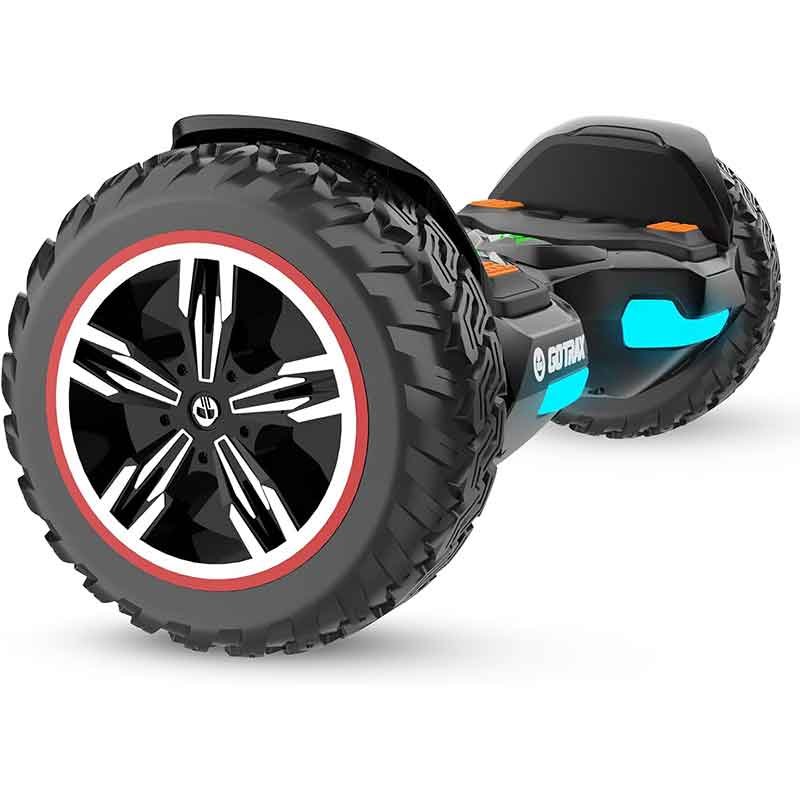
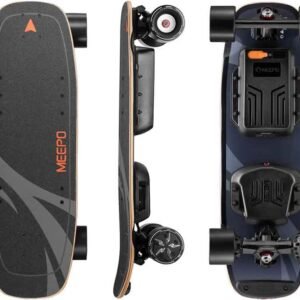
 H1 is powered by two 200W motors that enable it to climb 15 degree inclines and reach a 9 mph top speed. The 6.5″ solid wheels provide a smooth and enjoyable ride.